Mapping how tumors evolve — one genome at a time.
We study extrachromosomal DNA, tumor evolution and intratumoral heterogeneity through large-scale computational and statistical analysis of cancer genomes.
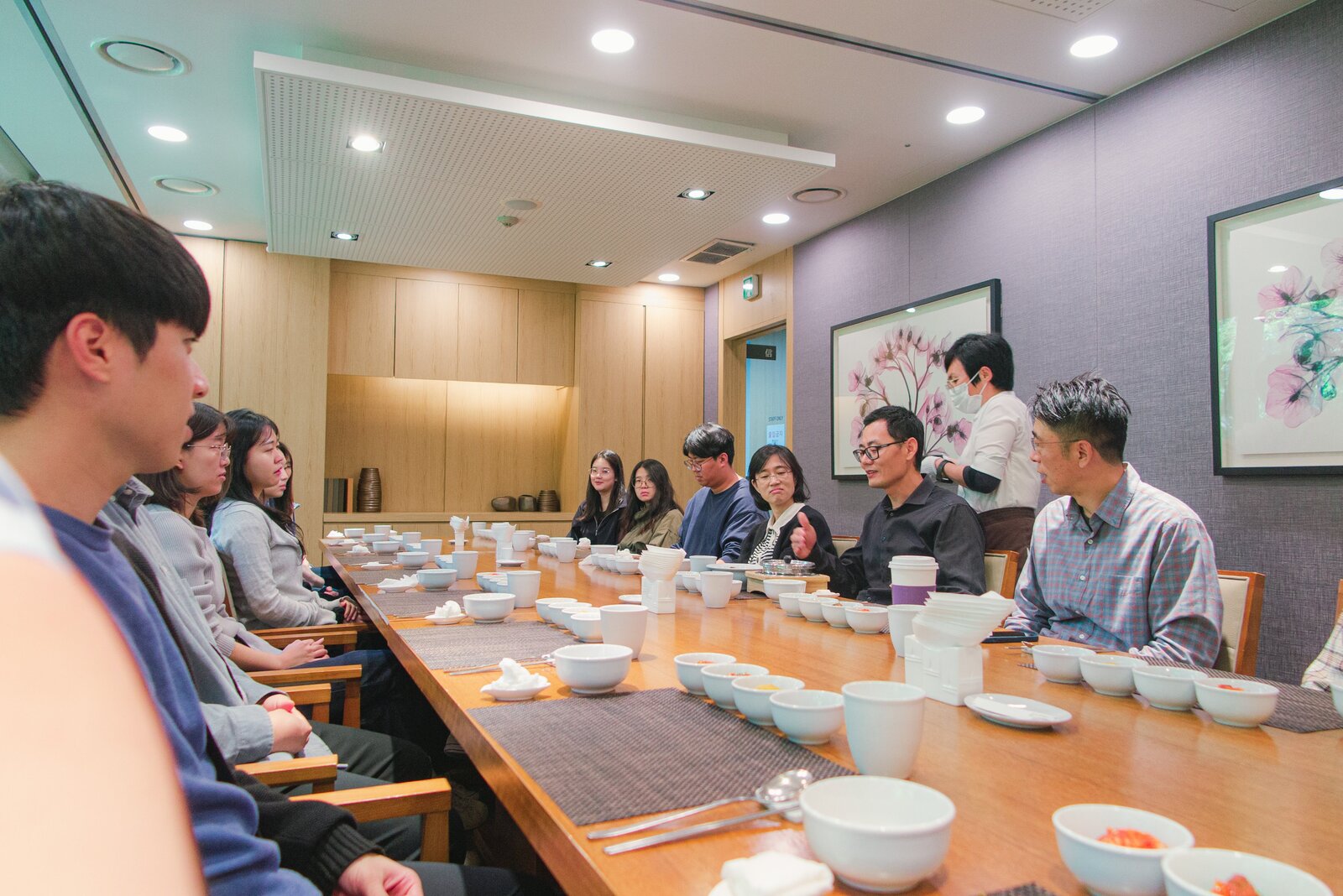
Open Positions
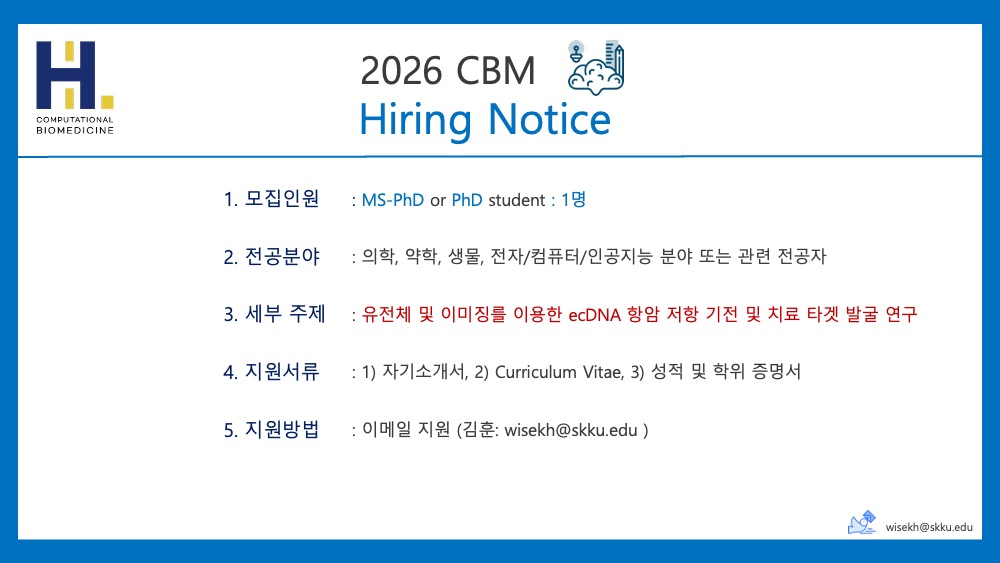
Interested in joining us? Reach out with your CV and a line about what draws you to computational cancer genomics — we'd love to hear from you.
Research
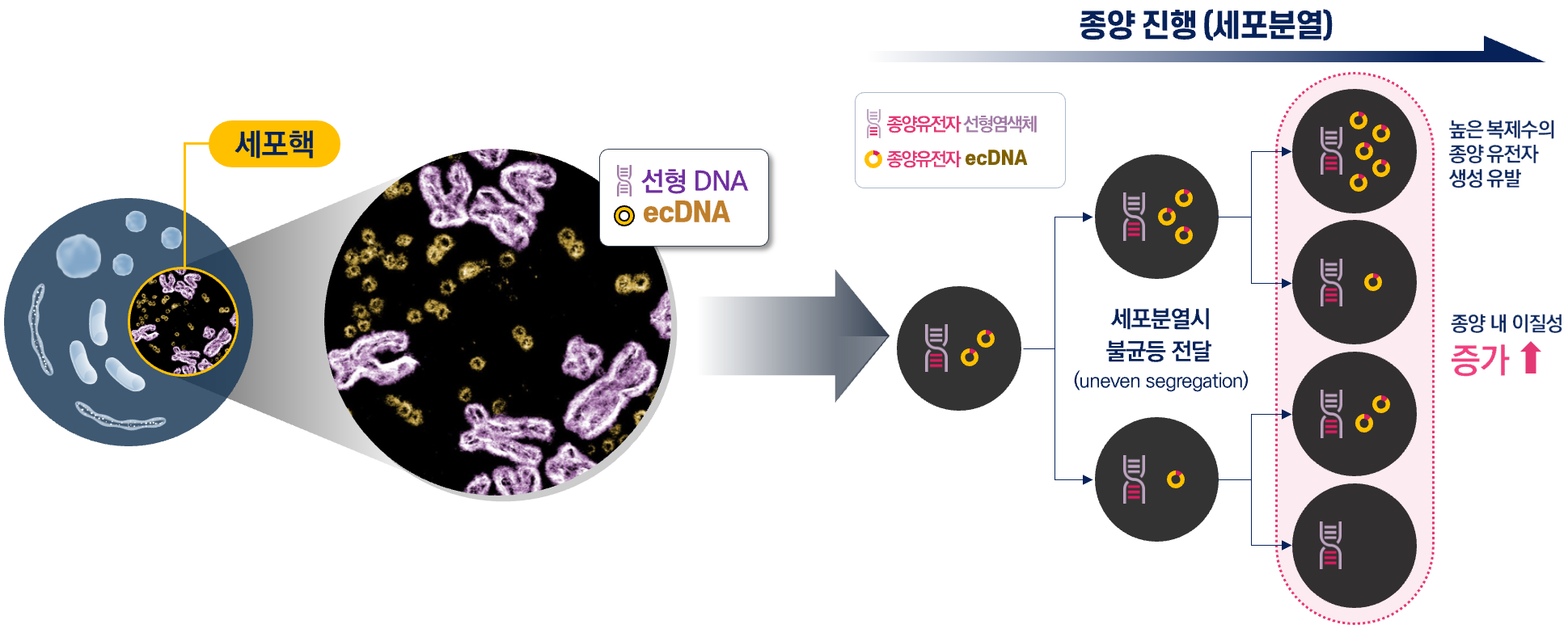
“Our lab is all about big data.”
A major cause of cancer treatment failure is the development of therapy resistance in tumors, which evolve by accumulating tumor-promoting mutations and modified chromosome structures. Our lab addresses this through computational and statistical analysis of large-scale biomolecular data — centered on extrachromosomal DNA (ecDNA), work spanning long- and short-read sequencing, single-cell and spatial multiomics, FISH validation, and structural variant analysis, alongside collaborators across cancer biology, epigenetics, structural biology, bioimaging, and tumor microenvironment research.
Recent News
Seunghyun Kang secured a travel grant for EACR 2026
Awarded a travel grant for the EACR Conference in Berlin (Nov 3–5, 2026) on Chromosomes in Crisis.
Jiwon Shon and Boyoon Kim awarded 1-month research training at the University of Basel, Switzerland
Selected for the 2026 K-BTIP Global Bridge Training Program, supported by KHIDI, for a 1-month research training program at the University of Basel.
RAF1 extrachromosomal DNA amplification confers acquired erlotinib resistance in a non-small cell lung cancer cell model
Co-first-authored by Boyoon Kim, published in Signal Transduction and Targeted Therapy — RAF1 amplification on ecDNA drives acquired erlotinib resistance by reactivating MAPK signaling independently of EGFR.
Single-cell resolution tracking of Glioblastoma cell of origin
Co-first-authored by Eunchae Yeo, published in Experimental & Molecular Medicine — isolating and characterizing putative glioblastoma origin-like cells in the subventricular zone via single-cell profiling.
Boyoon Kim wins the Grand Prize at SKKU Research Matters Plus
Honored with the Grand Prize (대상) at the 1st Graduate Research Achievement Competition+ for her outstanding research contribution.
Hyunjeong awarded the KOSAF Doctoral Excellence Scholarship
Selected for the Doctoral Excellence Scholarship in Science and Engineering from the Korea Student Aid Foundation.
Boyoon Kim presents at AACR 2026 — a lab milestone
Our first lab member to present at the AACR Annual Meeting, San Diego, drawing strong interest from academia and industry.
Boyoon Kim receives the KOBRA Travel Award
The Global-TA award supported her participation and presentation at AACR 2026.
Tailorable porous collagen hydrogels for ecDNA research
Co-first authored by Jiwon Shon, published in Theranostics — a 3D hydrogel platform that preserves ecDNA structures.
ecDNA foundation model proposal selected by NVIDIA
Selected for the NVIDIA Academic Grant Program with Prof. Se-Young Chun (SNU) — 32,000 A100 GPU-hours awarded.
IDH-mutant gliomas arise from glial progenitor cells
Published in Science — identifying glial progenitor cells as the cell of origin in IDH-mutant gliomas.
Yoonjoo awarded a National Research Foundation doctoral research grant
Funds her PhD research into how ecDNA interacts with micronuclei as tumors acquire chemotherapy resistance.
Jueon awarded a National Research Foundation master's research grant
Supports her single-cell multi-omics study of ecDNA in glioblastoma.
Prof. Kim invited to present at ICBTRT 2025, Japan
Presented our longitudinal characterization of ecDNA amplifications in adult glioma at the 24th International Conference on Brain Tumor Research and Therapy.
Team
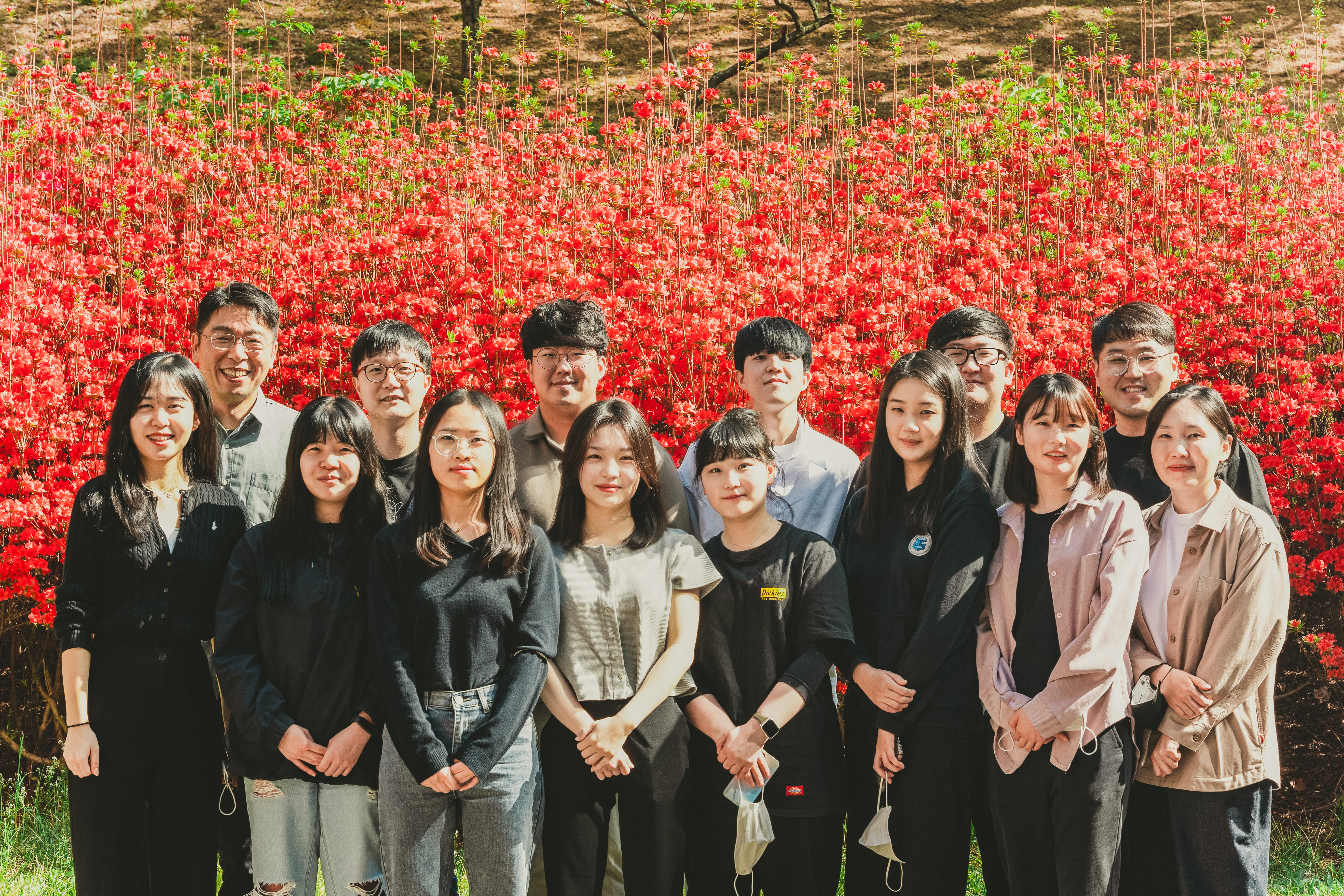
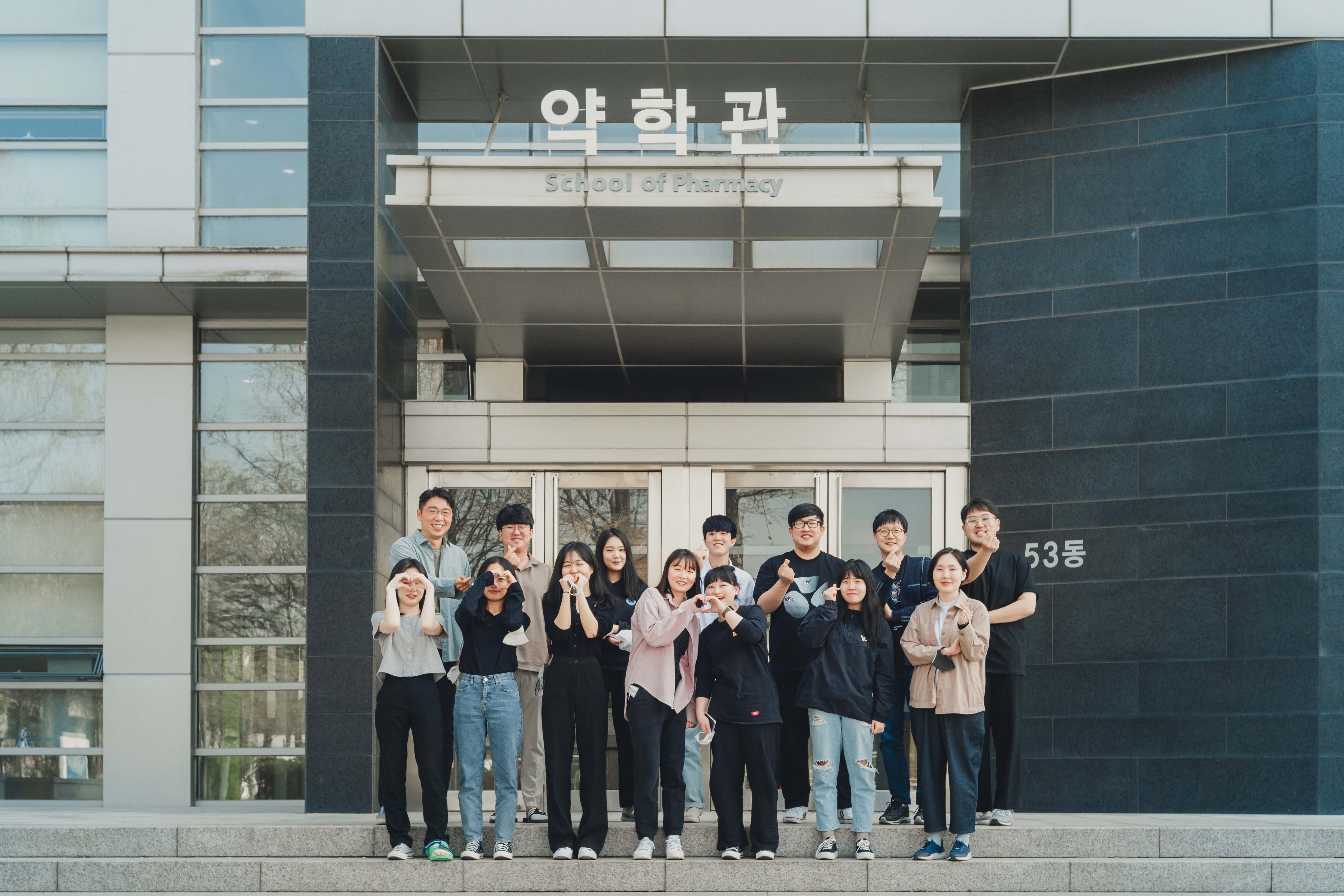
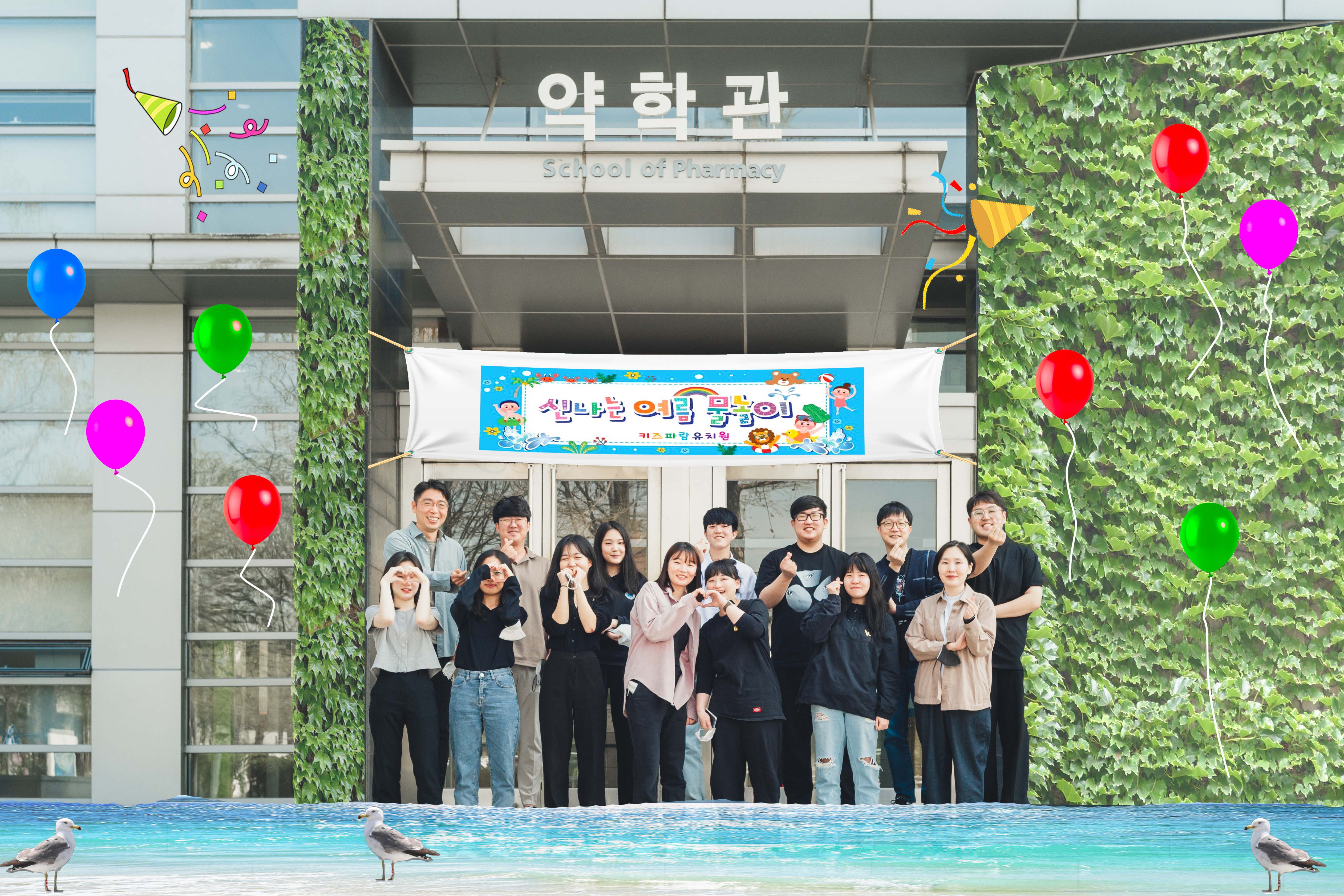
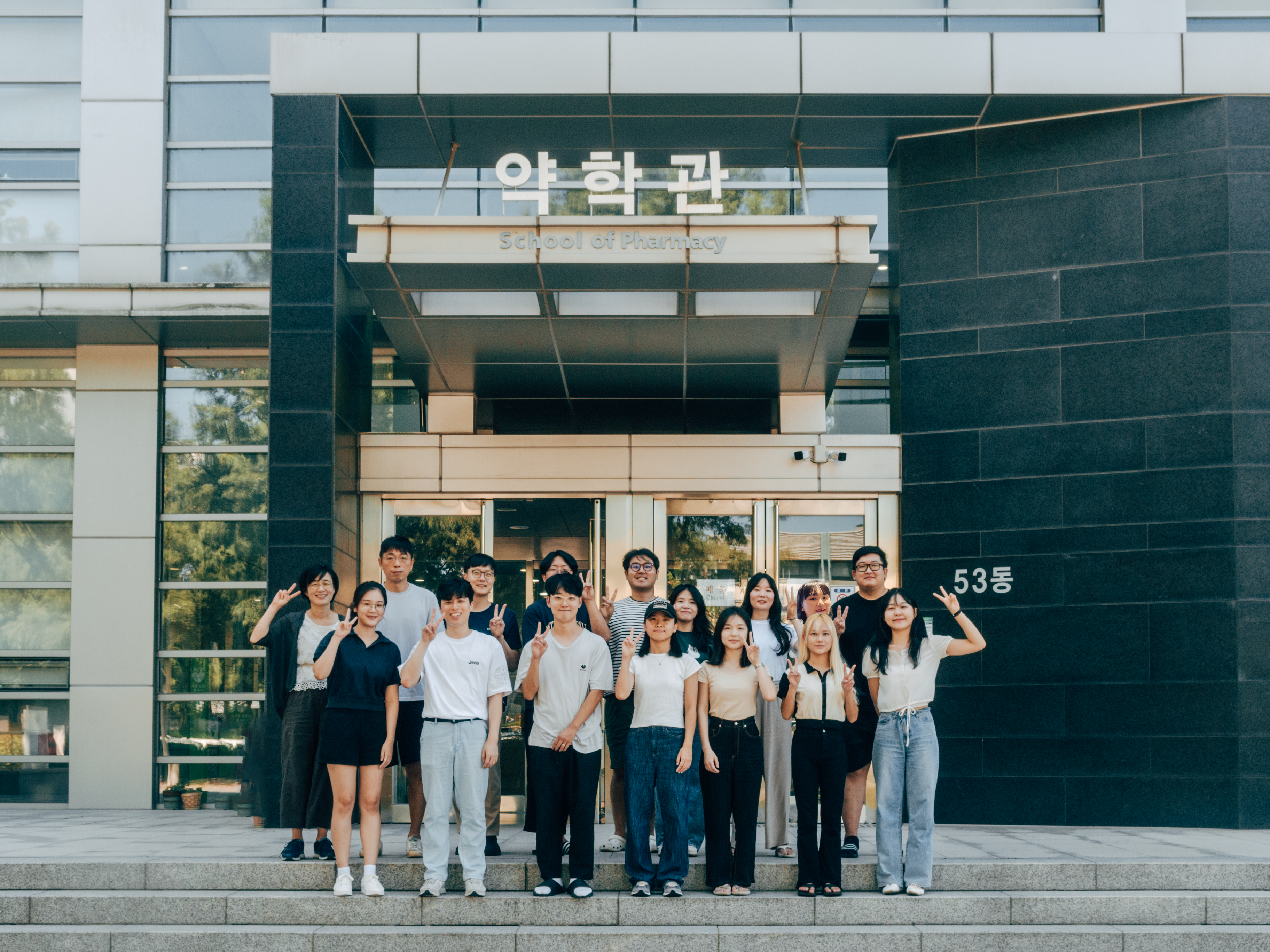
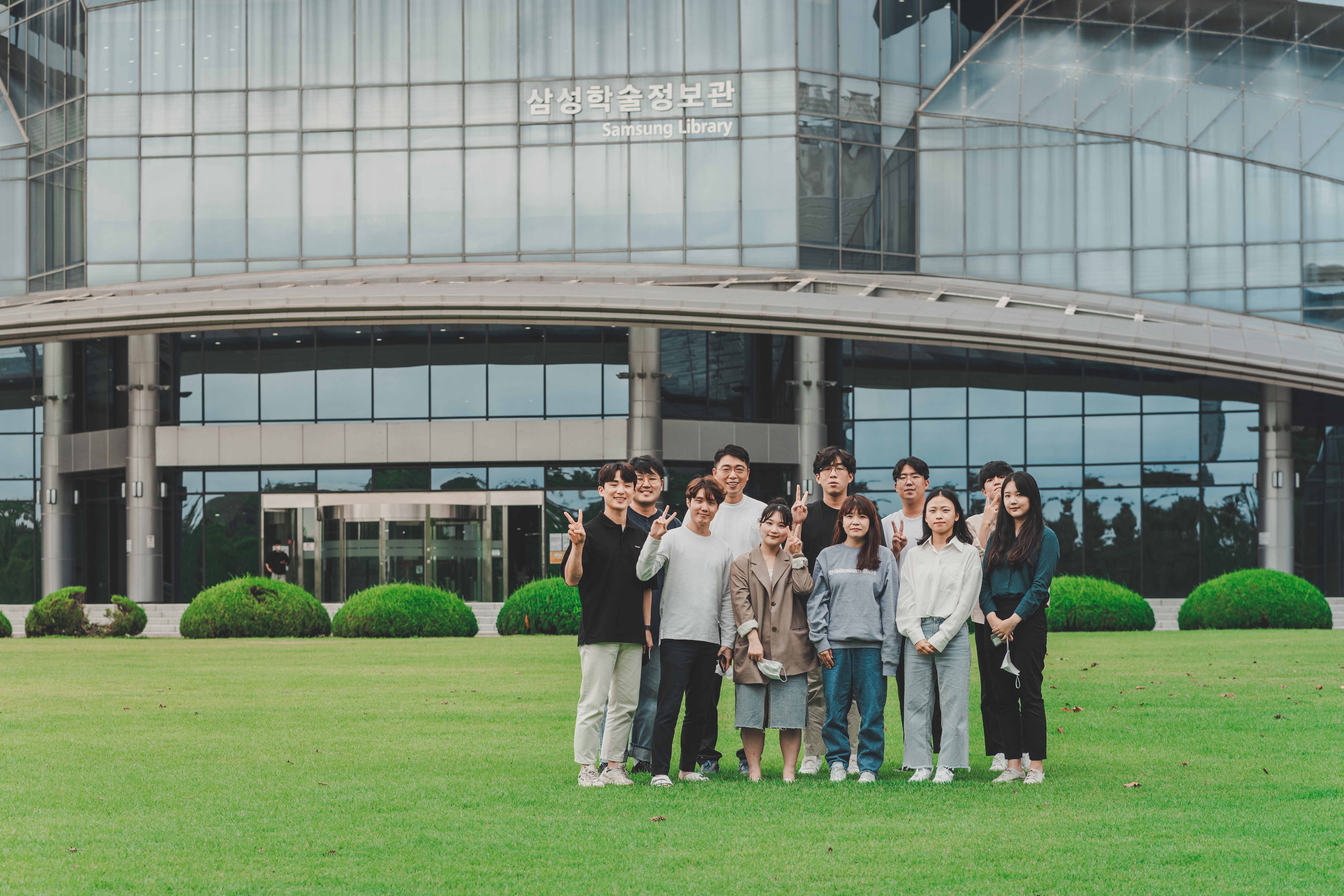
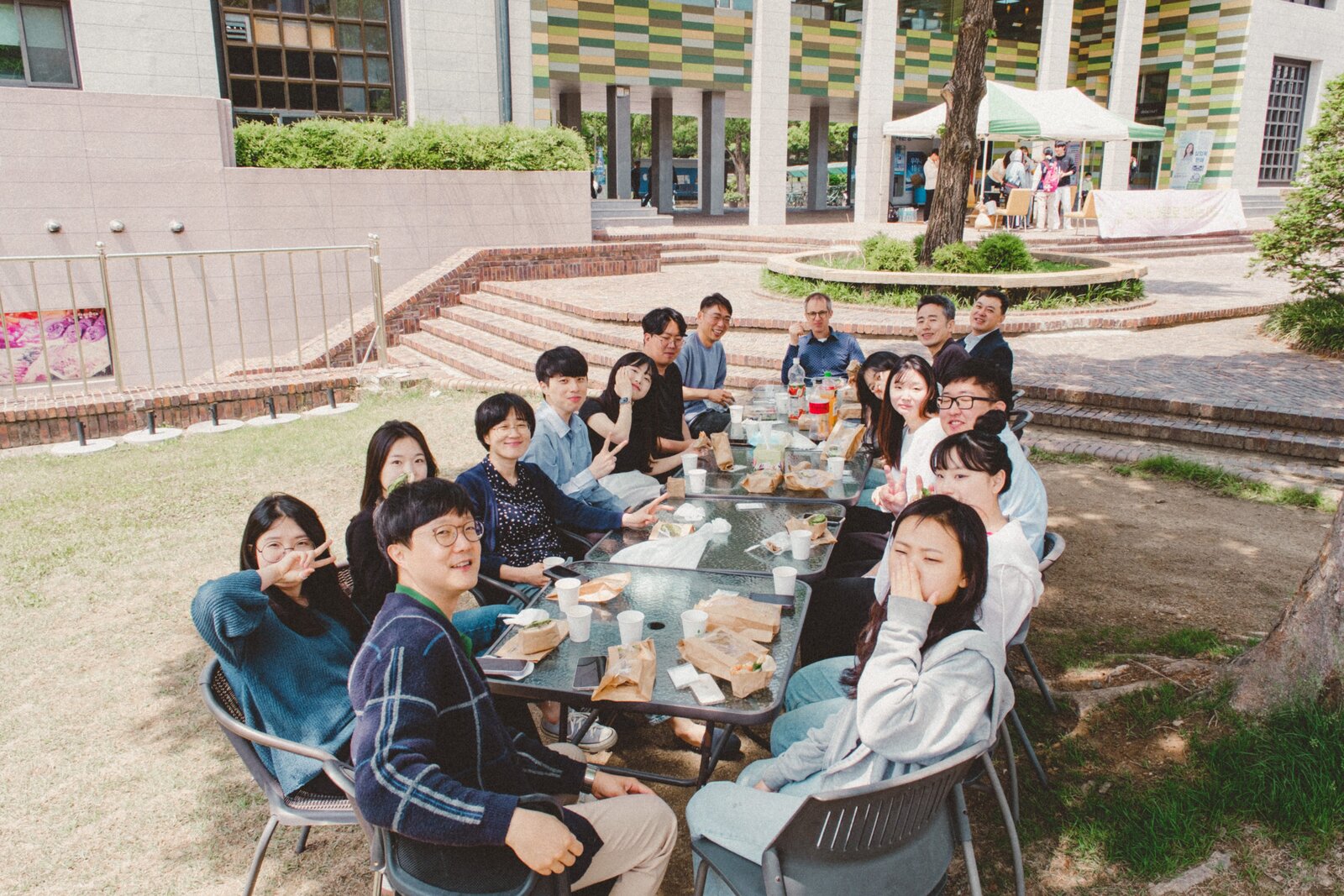
Fifteen of us, working across bioinformatics, wet-lab biology, and computation. Click any name to visit their profile.
- Hoon Kim, PhDPrincipal Investigator
- Sanghyun Kim, PhDResearch Professor
- Heesuk Chung, BS·BAResearch Assistant
- Seunghyun Kang, BSResearch Assistant
- Yoonjoo Nam, BSResearch Assistant
- Eunchae Yeo, BSResearch Assistant
- Hyunjeong Sun, MSResearch Assistant
- Jiwon Shon, BSResearch Assistant
- Junghyun Kim, BSResearch Assistant
- Boyoon Kim, BSResearch Assistant
- Jaeho Jang, MSResearch Assistant
- Hyeongjin Cho, Pharm.D.Research Assistant
- Jueon Kim, BSResearch Assistant
- Hyesoo KimUndergraduate Researcher
- Jongkyu Jang, Pharm.D.M.S. Candidate
Recent Publications
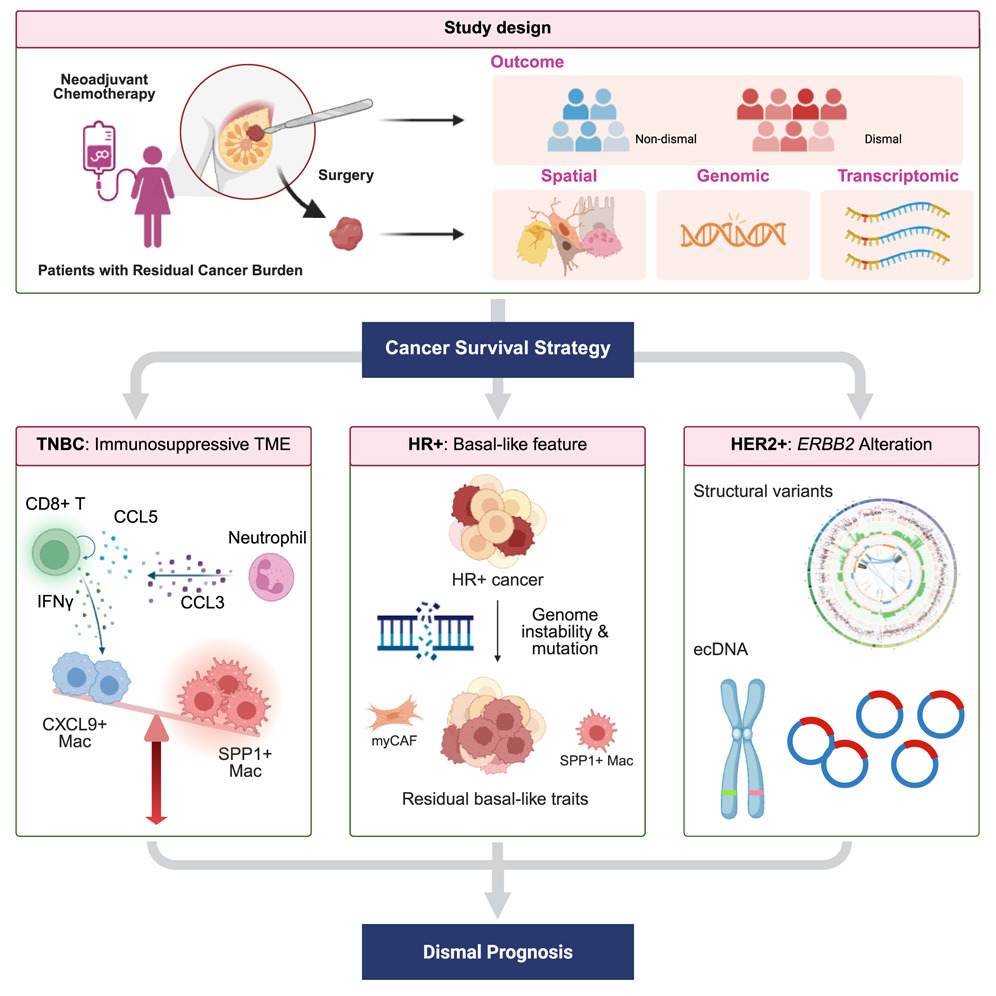
Breast cancer subtypes follow very different paths after chemotherapy given before surgery, leaving behind distinct patterns of residual disease — a step toward subtype-specific follow-up treatment.
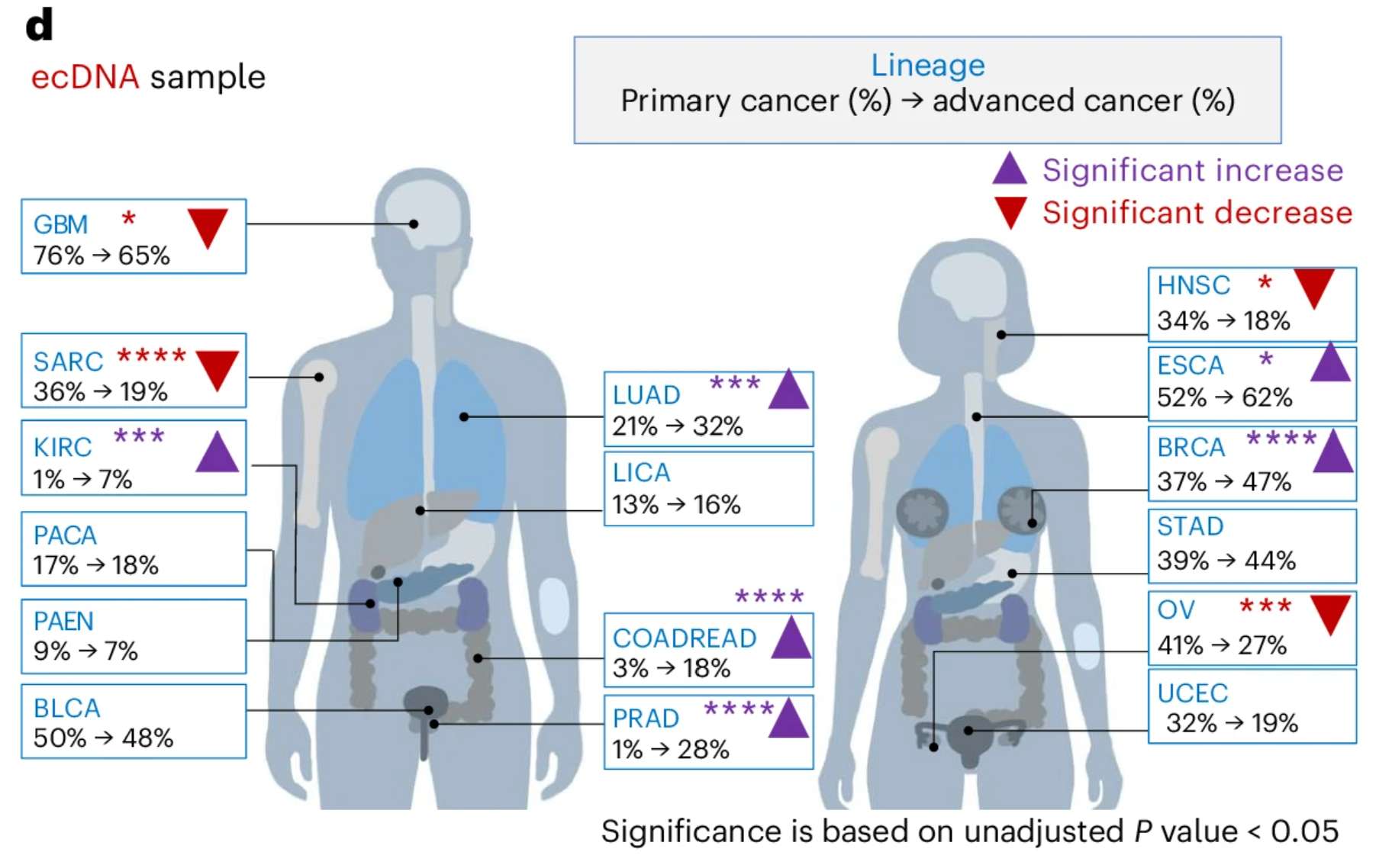
The first pan-cancer map of ecDNA amplification, showing these circular DNA structures are far more common than once thought — and that they predict worse outcomes as tumors advance.
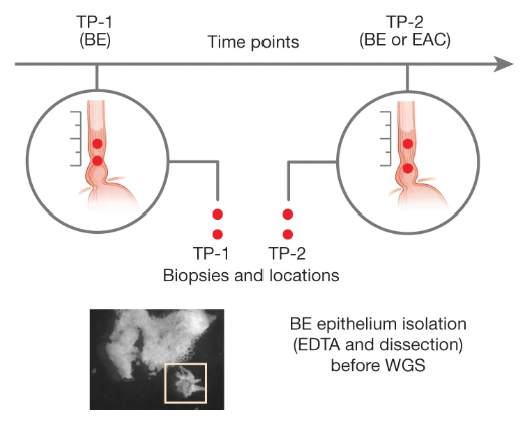
Extends ecDNA's reach beyond the cancers we usually study, showing it also drives the earliest steps of Barrett's esophagus turning cancerous.
Also on Google Scholar and ORCID.
Collaborators & support